Acoustic Architecture: Tracing Sound Design's Effects on Player Time at Electronic Gaming Machines
Tina Bennett · Jun 4, 2026
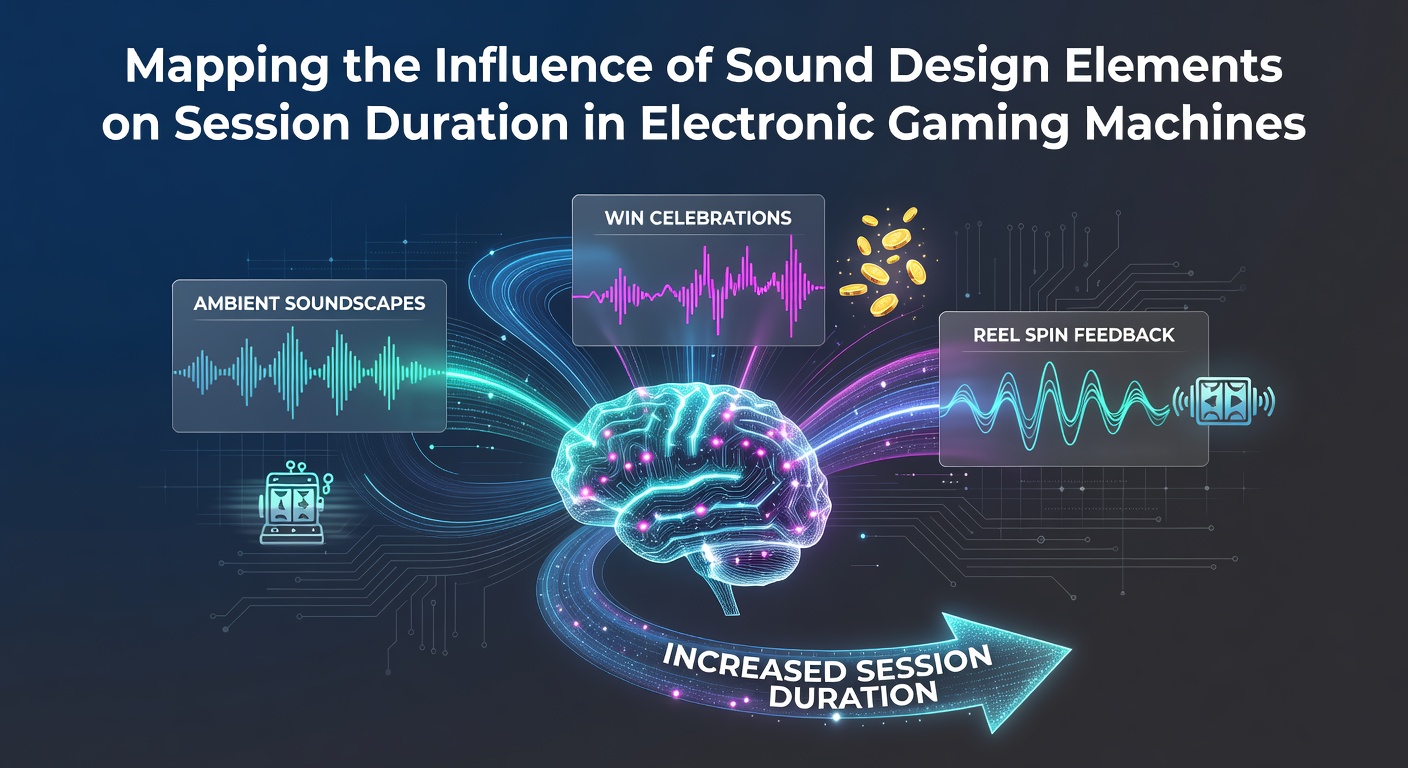
Acoustic Architecture: Tracing Sound Design's Effects on Player Time at Electronic Gaming Machines
Electronic gaming machines rely on carefully constructed audio layers to shape player behavior, and studies continue to map how specific sound elements correlate with longer session lengths across casino floors worldwide. Researchers track metrics such as reel spin chimes, win celebration sequences, and ambient background tracks to determine which combinations extend the average time individuals remain at a terminal.
Core Components of Audio Design in Modern Machines
Sound designers assemble multiple tracks that activate at precise moments during gameplay, including anticipatory tones before a reel stops, escalating musical cues during bonus triggers, and distinct auditory signatures for different payout tiers. These elements operate in tandem with visual animations, yet audio often registers first in player attention because the ear processes temporal information faster than the eye decodes complex graphics. Data collected from operator logs shows that machines programmed with higher-frequency win sounds tend to retain players for additional spins compared with units using lower or more muted audio palettes.
Technicians adjust volume curves and frequency ranges to match venue acoustics, while regulatory frameworks in several jurisdictions require minimum standards for sound clarity so that players can distinguish between regular and jackpot-level events without confusion. Observers note that seasonal updates to sound libraries occur regularly, with operators testing new palettes during slower periods to gather comparative session data before wider deployment.
Measurement Approaches Used in Industry Research
Analysts employ session-tracking software that records start and end times alongside audio event logs, producing datasets that isolate sound variables while controlling for machine denomination and location. One research group at a Canadian institution compiled records from multiple provinces and found that the presence of continuous low-level ambient loops correlated with a measurable increase in average play duration across sampled terminals. Another project conducted in Australian venues examined the timing of celebratory jingles and documented how staggered release patterns after wins influenced whether players initiated a new game immediately or paused.
These investigations use statistical models that account for time-of-day effects and player traffic patterns, allowing teams to isolate audio contributions from external variables. Figures released in early 2026 indicated consistent patterns across different regulatory environments, suggesting that certain audio structures exert similar influence regardless of regional player demographics.
Observed Correlations Between Specific Sounds and Extended Play
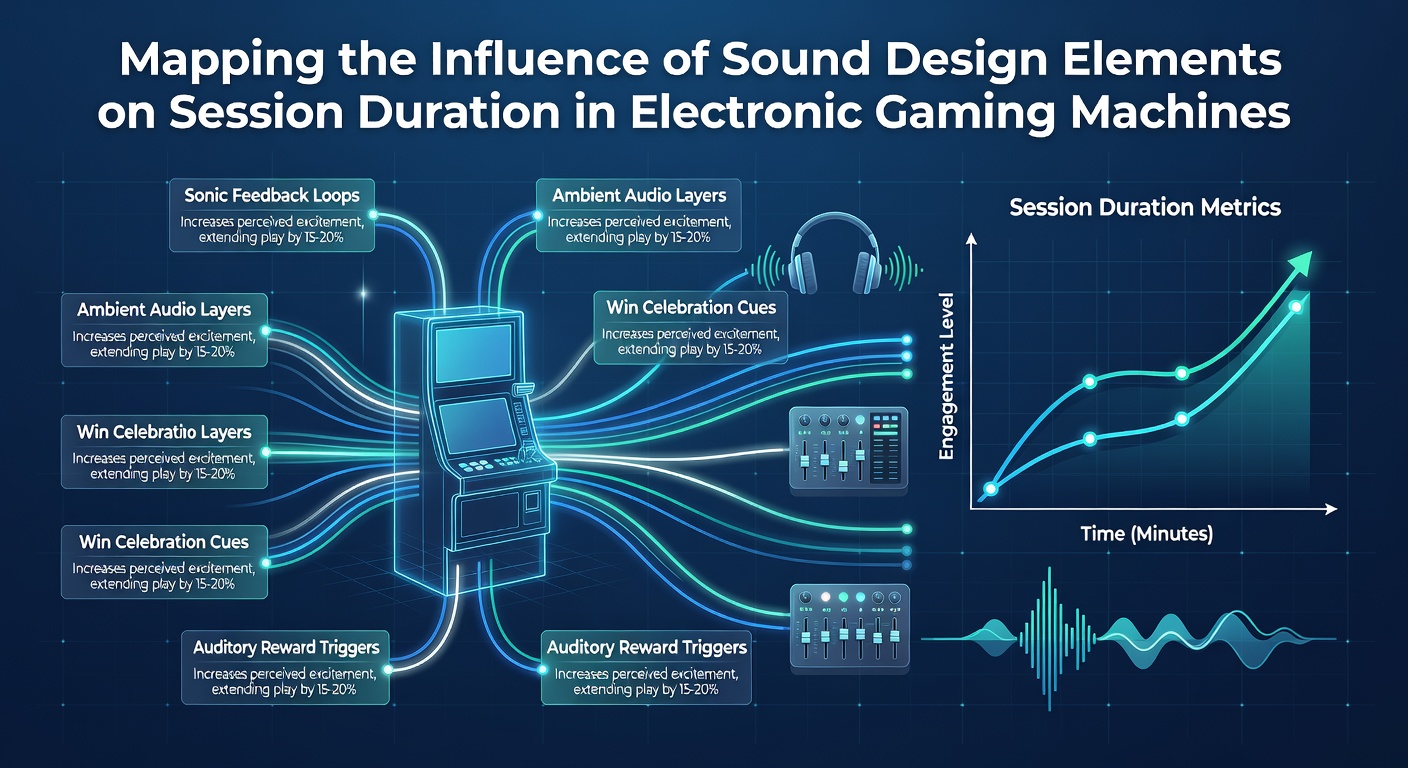
Win chimes that incorporate rising pitch contours appear more frequently in machines associated with above-average session lengths, according to aggregated operator reports. Background tracks that shift subtly in tempo rather than remaining static also show positive associations with continued engagement, as the gradual changes maintain auditory interest without requiring conscious attention. Researchers have recorded instances where removal of certain celebratory sounds resulted in shorter average visits, while reintroduction of those same elements reversed the trend within the same test group.
June 2026 data from several North American properties revealed that terminals featuring adaptive audio systems, which modify sound intensity based on current session length, produced longer recorded play intervals than fixed-audio counterparts. These systems lower celebratory volume after extended periods to reduce sensory fatigue, then reintroduce fuller layers during bonus events to refresh attention. Industry groups such as the Gaming Laboratories International have published testing protocols that now incorporate audio performance benchmarks alongside traditional payout verification.
Regional Variations and Regulatory Context
Markets in Europe and Asia apply distinct guidelines for audio output levels, with some requiring automatic volume caps during late-night hours. Canadian provincial commissions maintain databases that link machine configuration files, including audio settings, to anonymized play records, enabling longitudinal studies that track changes over multiple quarters. Reports from these sources indicate that operators who periodically refresh sound libraries experience steadier session duration metrics compared with those maintaining static audio profiles for longer periods.
Cross-border comparisons highlight how cultural preferences for musical styles influence optimal sound selection, yet core mechanical principles such as timing of reward cues remain consistent across tested regions. Engineers therefore adapt instrumentation and rhythm while preserving the structural placement of sounds within the game flow.
Conclusion
Mapping efforts continue to refine understanding of how individual sound components interact with player behavior at electronic gaming machines, supported by expanding datasets and standardized testing procedures. As operators integrate more responsive audio systems, session duration patterns are expected to evolve in measurable ways, with ongoing research providing the evidence base for future design decisions.