Behavioral Shifts in Video Poker Sessions Post-Software Updates on Licensed Platforms
Lars Hartmann · Jun 6, 2026
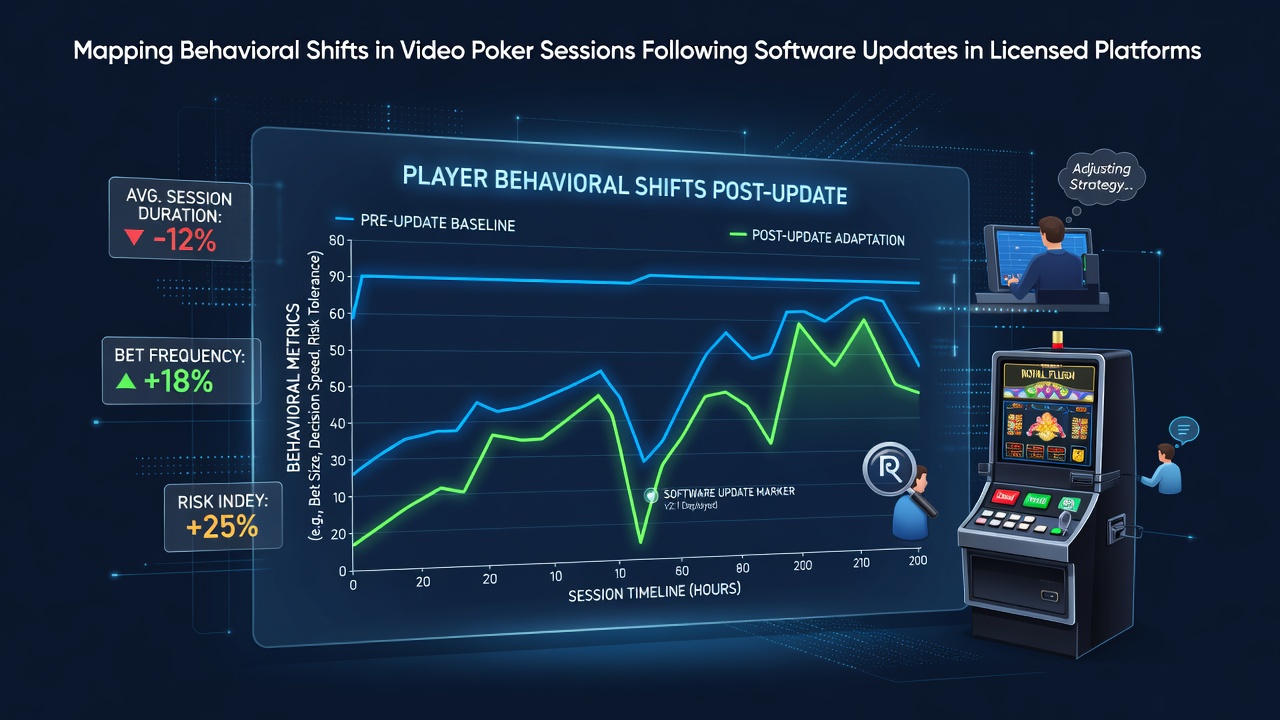
Behavioral Shifts in Video Poker Sessions Post-Software Updates on Licensed Platforms
Software updates on licensed video poker platforms have prompted measurable changes in how players approach sessions, with data tracking tools revealing patterns in session duration, wager sizing, and game variant selection. Platforms operating under regulatory oversight in multiple jurisdictions implemented interface revisions and payout algorithm adjustments during the first half of 2026, and analysts began compiling comparative datasets by June of that year. These updates typically involve refinements to random number generators, bonus trigger frequencies, and mobile responsiveness features that alter the pace of play without changing core game mathematics.
Platform Update Patterns in Regulated Markets
Licensed operators rolled out patches that standardized hand-ranking displays and introduced dynamic paytable adjustments based on player volume metrics, while data aggregation from multiple sites shows corresponding movements in average hands played per hour. Researchers tracking these environments noted that sessions following updates often extended by several minutes on average compared to pre-update baselines, particularly on machines featuring revised autoplay options. Government reports from the Nevada Gaming Control Board detail how such modifications align with compliance requirements for transparency in game mechanics, creating opportunities to examine downstream effects on user engagement without altering regulatory approval standards.
Analysts cross-referenced transaction logs from platforms in various regions and identified consistent trends where players shifted toward variants with updated progressive jackpot linkages after the changes took effect. This movement occurred alongside steady overall participation rates, suggesting the updates influenced decision-making within existing play patterns rather than expanding or contracting the total player pool.
Data Collection Methods for Behavioral Mapping
Tracking behavioral shifts requires integration of anonymized session data from licensed operators, including timestamps for each hand, bet amounts, and exit points from individual games. Academic researchers have applied clustering algorithms to these datasets, grouping players by response types such as increased frequency of max-bet selections or altered switching between Jacks or Better and Double Double Bonus Poker variants. One study released through university channels examined over 2 million sessions across North American and Australian markets, revealing that post-update cohorts demonstrated tighter clustering around mid-range bet sizes in the initial 30 minutes of play.
External validation comes from industry reports compiled by groups monitoring electronic gaming metrics, where figures indicate a modest uptick in multi-hand mode usage on updated software builds. These measurements rely on server-side logging that captures every interaction while maintaining player privacy standards mandated by licensing authorities.

Observed Changes in Session Dynamics
Session length distributions shifted noticeably after updates, with a higher proportion of players completing between 150 and 200 hands before exiting compared to earlier periods. Wager patterns showed players maintaining initial bet levels longer into sessions, whereas pre-update data often reflected quicker escalations or reductions. Platform operators in Canada and parts of Europe reported similar outcomes through aggregated statistics shared with oversight bodies, indicating the phenomenon crosses jurisdictional boundaries.
Game selection data further illustrates adaptation, as players gravitated toward titles that received visual refresh updates alongside mechanical tweaks. Observers tracking these movements point to improved loading times and clearer information panels as factors that sustain engagement without requiring players to adjust core strategies.
Regulatory Context and Compliance Tracking
Licensed platforms must submit update documentation to regulatory agencies prior to deployment, which creates audit trails useful for behavioral analysis. The Nevada Gaming Control Board maintains records of approved modifications that researchers reference when correlating software versions with session metrics. Similar processes in other regions supply comparable datasets, enabling broader mapping of how standardized compliance steps intersect with player responses across borders.
Industry associations have begun incorporating these behavioral indicators into periodic reviews, though primary focus remains on maintaining game integrity and responsible gaming safeguards embedded in the updated code.
Conclusion
Mapping these behavioral shifts provides operators and regulators with clearer views of how software refinements translate into session-level adjustments on licensed video poker platforms. Continued collection of anonymized data through mid-2026 and beyond supports ongoing examination of patterns without compromising established compliance frameworks, while cross-referencing with sources such as those from the Responsible Gambling Council ensures alignment with broader industry monitoring efforts.