16 May 2026
Behind the Interface: How Backend Algorithms Reshape Bonus Structures in Cross-Platform Mobile Wagering Systems

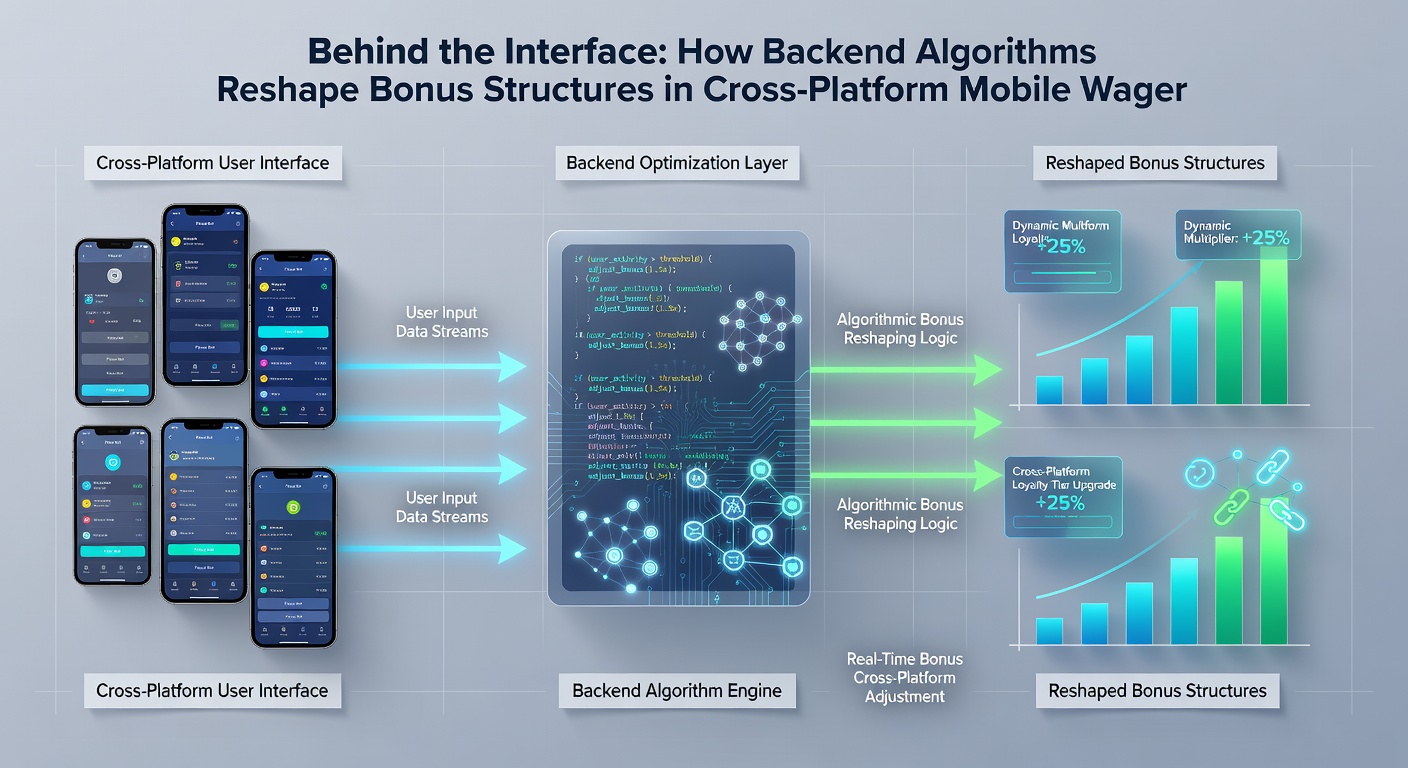
Backend algorithms now drive every layer of bonus distribution across mobile wagering platforms that operate on multiple operating systems, and those systems adjust offers in real time based on player behavior, device data, and risk profiles. Developers integrate machine learning models that scan transaction histories while users switch between smartphones and tablets, which allows operators to modify bonus eligibility without changing the front-end interface that players see.
Data Processing Layers That Feed Bonus Calculations
Modern wagering applications collect telemetry from login events, bet patterns, and session durations before routing that information through centralized servers where algorithms evaluate thousands of variables in milliseconds. These layers combine geolocation signals with account age metrics to determine whether a player qualifies for deposit matches or free spin packages, and the process runs continuously even when users move from one device to another during the same session.
Operators rely on decision trees that segment users into risk categories, and those categories influence the size and frequency of promotional credits offered during live events. Research from the International Gaming Institute at the University of Nevada shows that platforms using these segmented models recorded measurable shifts in bonus redemption rates between 2024 and 2026, particularly among users who accessed services across both iOS and Android environments.
Cross-Platform Synchronization and Dynamic Adjustments
Synchronization protocols ensure that bonus balances remain consistent whether a player logs in from a phone during a commute or from a tablet at home, yet the underlying algorithms continue to recalibrate terms based on new data points collected in each environment. When a user places several high-stakes wagers on one device, the system may automatically reduce the rollover requirement attached to an active bonus to maintain engagement, while the same player receives a different multiplier if activity patterns change on a second device.
Cross-platform frameworks also incorporate device-specific latency measurements that help algorithms decide which bonus types to surface first. Faster connections often trigger instant cashback offers, whereas slower connections receive deferred reward structures that activate only after the user completes additional verification steps.
Personalization Mechanisms and Risk Controls
Personalization engines apply clustering techniques that group players by lifetime value and behavioral volatility, then assign bonus parameters that balance retention goals against exposure limits set by internal risk modules. A player classified as low-volatility might receive a steady stream of small reload bonuses, while high-volatility accounts encounter larger but less frequent incentives tied to specific game categories.
These adjustments occur without player notification because the logic resides entirely in backend rule sets that update nightly based on aggregated performance data from the previous day. Reports published by the Alcohol and Gaming Commission of Ontario in early 2026 documented how such nightly recalibrations affected bonus uptake across provincial operators that support multi-device access.
Regulatory Compliance Embedded in Algorithm Design
Compliance teams now embed jurisdiction-specific rules directly into the same algorithmic pipelines that generate bonuses, which means offers automatically respect wagering limits or age-verification thresholds that vary by region. When a player crosses into a new regulatory zone while traveling, the system detects the location change and either pauses or modifies active promotions to align with local statutes before any funds transfer occurs.
Industry observers note that this embedded approach reduces manual oversight requirements yet demands rigorous testing cycles to prevent unintended bonus exclusions during software updates. Testing protocols include simulated multi-device sessions that replicate real-world network fluctuations and location shifts.
Developments Observed Through May 2026
Through May 2026 several major platforms introduced reinforcement learning modules that refine bonus offers after each completed wager cycle, allowing structures to evolve alongside shifting player preferences without requiring separate marketing campaigns. These modules process anonymized cohort data to predict which bonus formats will produce the highest completion rates across different device ecosystems.
Operators that adopted these modules reported smoother integration between bonus ledgers and core wallet systems, reducing the frequency of reconciliation errors that previously surfaced when users switched platforms mid-session. The changes reflect ongoing efforts to maintain consistent player experiences while managing the technical complexity of cross-platform environments.
Conclusion
Backend algorithms continue to expand their influence over bonus structures in cross-platform mobile wagering systems by processing real-time behavioral signals and enforcing regulatory boundaries automatically. The result appears in more granular offer variations that respond to individual sessions rather than static promotional calendars, and those variations now form a core component of how operators maintain engagement across diverse device networks.