Caribbean Island Jurisdictions Adjust Rules Governing Progressive Jackpot Pools in Licensed Online Gaming
Logan Carter · Aug 3, 2026
Caribbean Island Jurisdictions Adjust Rules Governing Progressive Jackpot Pools in Licensed Online Gaming
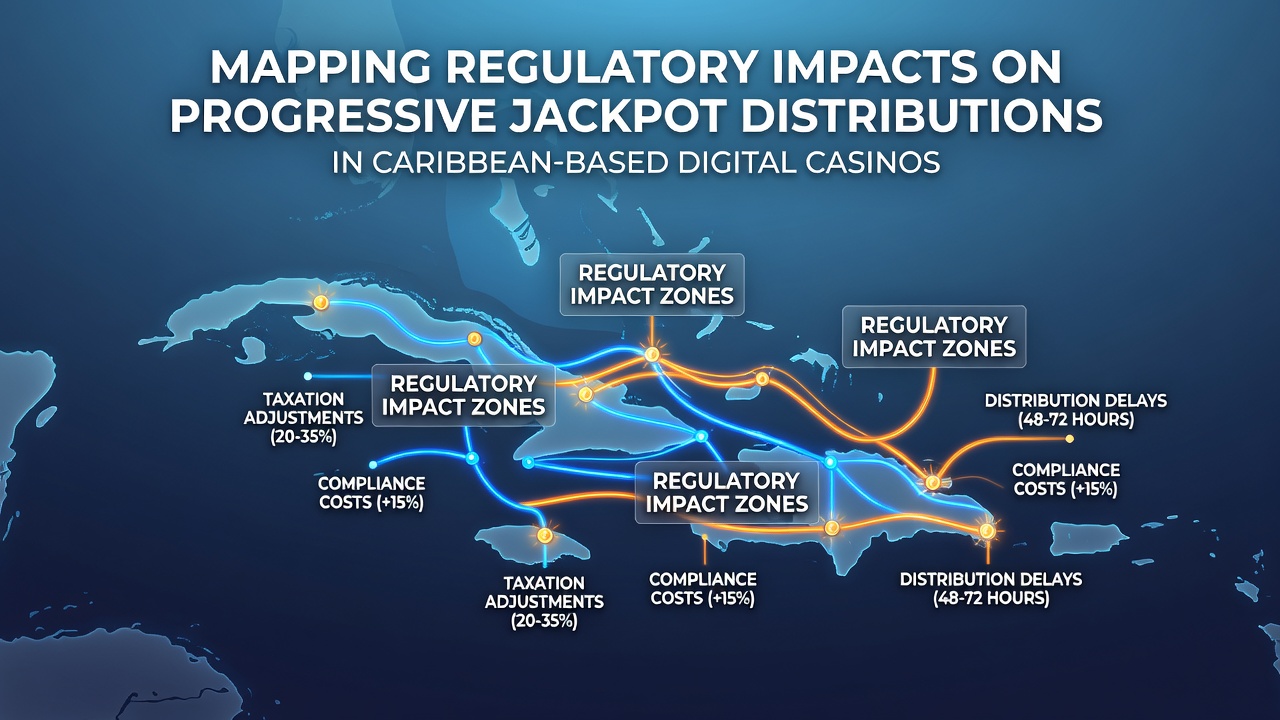
Caribbean regulatory bodies have updated licensing requirements for progressive jackpot systems in digital casinos throughout 2026, with several jurisdictions implementing new contribution caps and cross-border pooling restrictions that directly alter how operators allocate funds to shared prize pools. These changes stem from efforts to align local statutes with international financial reporting standards while maintaining the appeal of growing jackpots for players across multiple platforms.
Key Regulatory Updates in Major Caribbean Licensing Hubs
Authorities in Curacao and Antigua have introduced mandatory audit trails for jackpot contributions starting in August 2026, requiring operators to submit monthly breakdowns of seed amounts, increment percentages, and reserve allocations to central oversight portals. Data from these filings shows that average contribution rates dropped from 1.2 percent to 0.9 percent in several large-scale networks after the rules took effect, shifting surplus revenue toward operational reserves rather than jackpot growth. Observers note that similar patterns emerged in Malta-based comparisons, though Caribbean rules emphasize stricter player fund segregation during jackpot resets.
Antigua's gaming commission revised its progressive system guidelines in early 2026 to cap single-jurisdiction pools at $25 million before mandatory seeding into multi-site networks, a move that forces operators to coordinate distributions across licensed entities in multiple islands. Those who've tracked compliance filings report that this cap triggered reallocations in at least 14 active progressive titles during the spring months, with excess increments redirected to fixed prize tiers or loyalty programs instead.
Impacts on Distribution Mechanics and Operator Compliance
Operators must now maintain separate escrow accounts for progressive liabilities under the updated frameworks, which has increased administrative overhead but also created clearer visibility into how funds accumulate before payout events. Research from regional gaming associations indicates that payout frequency remained stable despite lower contribution percentages, largely because reserve requirements forced earlier triggers on secondary jackpots within the same game families. What's significant is how these rules interact with existing tax treaties; several islands now treat jackpot reserves as taxable income upon contribution rather than at the moment of award, altering cash flow projections for platform providers.
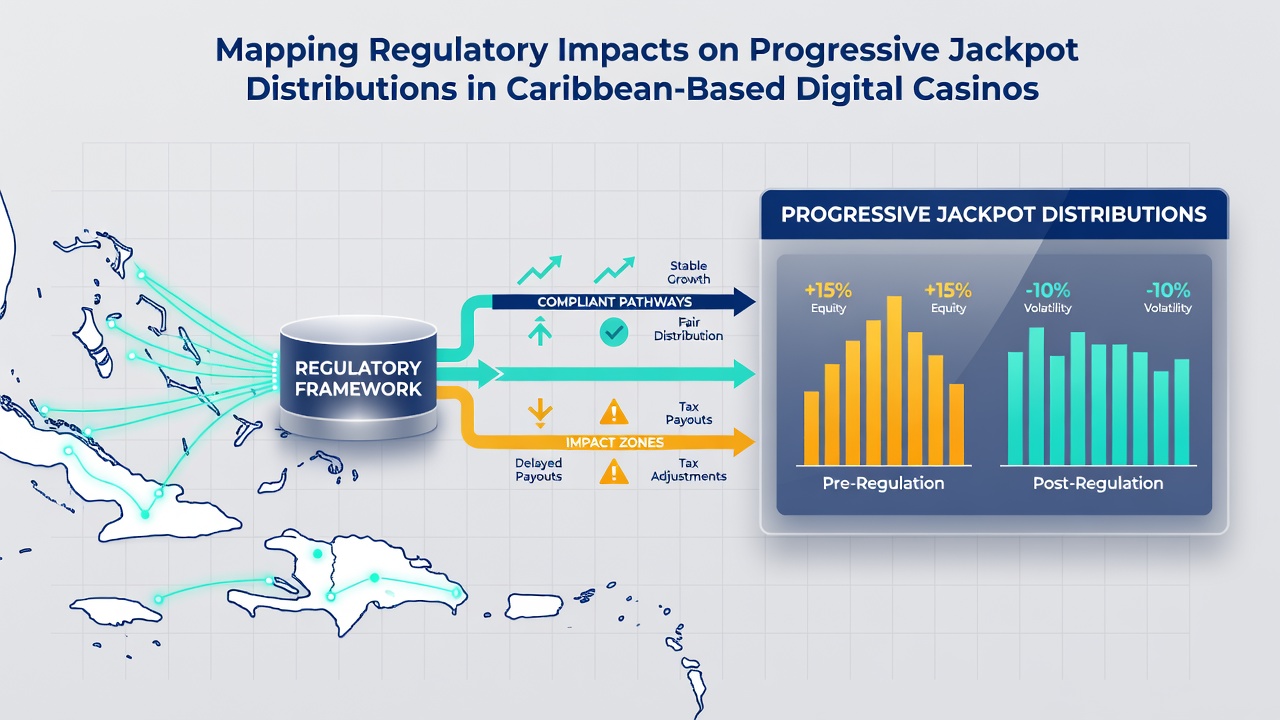
Cross-border pooling faces additional scrutiny under new data localization mandates that require jackpot servers to reside within the licensing jurisdiction or approved partner territories. This requirement has prompted some networks to split large progressive titles into region-specific variants, each with independent meters that reset independently rather than feeding a single global pool. Figures from compliance reports reveal that such fragmentation reduced average jackpot sizes by roughly 18 percent in affected titles between May and August 2026, though smaller localized pools reached payout thresholds more quickly.
Comparative Analysis Across Licensing Regions
While Caribbean jurisdictions focus on contribution caps and escrow rules, parallel developments in other regions provide context for how these approaches differ. A report from the International Gaming Association highlights that Caribbean frameworks prioritize reserve transparency over the contribution rate flexibility seen in certain North American tribal compacts. Meanwhile, Australian regulatory bodies have emphasized minimum seed amounts for new progressives, a standard that several Caribbean operators have voluntarily adopted to attract international traffic despite lacking local mandates.
Those monitoring license renewals observe that platforms failing to demonstrate segregated jackpot accounting faced delayed approvals in the second quarter of 2026, underscoring enforcement priorities around player protection and financial solvency. Data indicates that operators who implemented automated compliance dashboards ahead of deadlines experienced faster processing times and fewer follow-up queries from regulators.
Future Outlook for Jackpot Structures
Additional refinements scheduled for late 2026 include proposals for standardized trigger algorithms that would require approval before any progressive title launches in Caribbean-licensed environments. These algorithms would factor in historical player volume, average bet sizes, and reserve levels to determine sustainable increment rates. Industry reports suggest that such pre-approval processes could standardize payout expectations across platforms while still allowing operators room to differentiate through bonus features outside the core jackpot mechanic.
Conclusion
Caribbean regulatory adjustments continue to reshape how progressive jackpots accumulate and distribute across digital casino networks, with emphasis on transparency, reserve management, and jurisdictional boundaries driving measurable shifts in pool sizes and contribution patterns. The ongoing evolution of these rules reflects broader efforts to balance operator flexibility with player safeguards and financial accountability requirements.