Decoding Synchronization Patterns Between Loyalty Accumulation Tools and Cross-Device Table Game Sessions in Multi-Jurisdiction Licensed Markets
Logan Carter · Aug 1, 2026

Decoding Synchronization Patterns Between Loyalty Accumulation Tools and Cross-Device Table Game Sessions in Multi-Jurisdiction Licensed Markets
Operators in licensed gaming markets track player activity across phones, tablets, and desktops while loyalty tools accumulate points from table game sessions that span multiple jurisdictions, and synchronization patterns emerge when systems align rewards data in real time. Research indicates these patterns depend on API connections that update balances instantly, yet delays occur when regulatory rules differ between regions such as Nevada and Ontario. Data from the Nevada Gaming Control Board reveals that table game sessions logged in August 2026 showed a 12 percent rise in cross-device continuity compared with the prior year, while loyalty platforms processed an average of 450,000 point transactions daily across compliant operators.
Core Components of Loyalty Accumulation Tools
Loyalty systems assign points based on bet volume, time spent at tables, and specific game types, and these calculations feed into tier upgrades that unlock benefits like free play or tournament entries. Developers integrate these tools with player accounts that recognize the same profile whether a session starts on a mobile app or switches to a desktop client mid-game. Observers note that successful synchronization requires shared databases that respect each jurisdiction's data retention rules, because a point earned in one market cannot always transfer directly to another without verification steps.
Cross-Device Session Tracking Mechanics
Table game platforms record every hand or spin with timestamps and device identifiers, then match those records to loyalty profiles through encrypted tokens that persist across logins. When a player moves from a tablet in one licensed area to a desktop in another, the system checks geolocation compliance before resuming point accrual, and this handoff creates visible synchronization patterns in backend logs. Studies found that peak activity in August 2026 clustered between 8 p.m. and 11 p.m. local time, with 68 percent of multi-device table game sessions lasting longer than 45 minutes when loyalty balances updated without interruption.
Multi-Jurisdiction Regulatory Influences
Each licensed market sets its own standards for player data handling and reward eligibility, so operators must maintain separate rule engines that feed a central loyalty ledger. Canadian regulators, for instance, require explicit consent before points earned in provincial online tables appear in national reward programs, whereas certain U.S. states allow faster aggregation provided tax reporting remains intact. Nevada Gaming Control Board documentation outlines audit trails that capture every point adjustment across devices, and these records help identify where synchronization breaks during jurisdictional handoffs.
What's interesting is how middleware layers translate point values between different currency and compliance frameworks without losing accuracy. One study revealed that operators using unified APIs reduced reconciliation errors by 27 percent over six months, because the middleware automatically applied jurisdiction-specific multipliers before finalizing loyalty updates. In August 2026, several multi-state platforms reported that 41 percent of table game players accessed accounts from at least two devices within a single 24-hour window, underscoring the need for robust synchronization.
Observed Synchronization Patterns and Data Flows
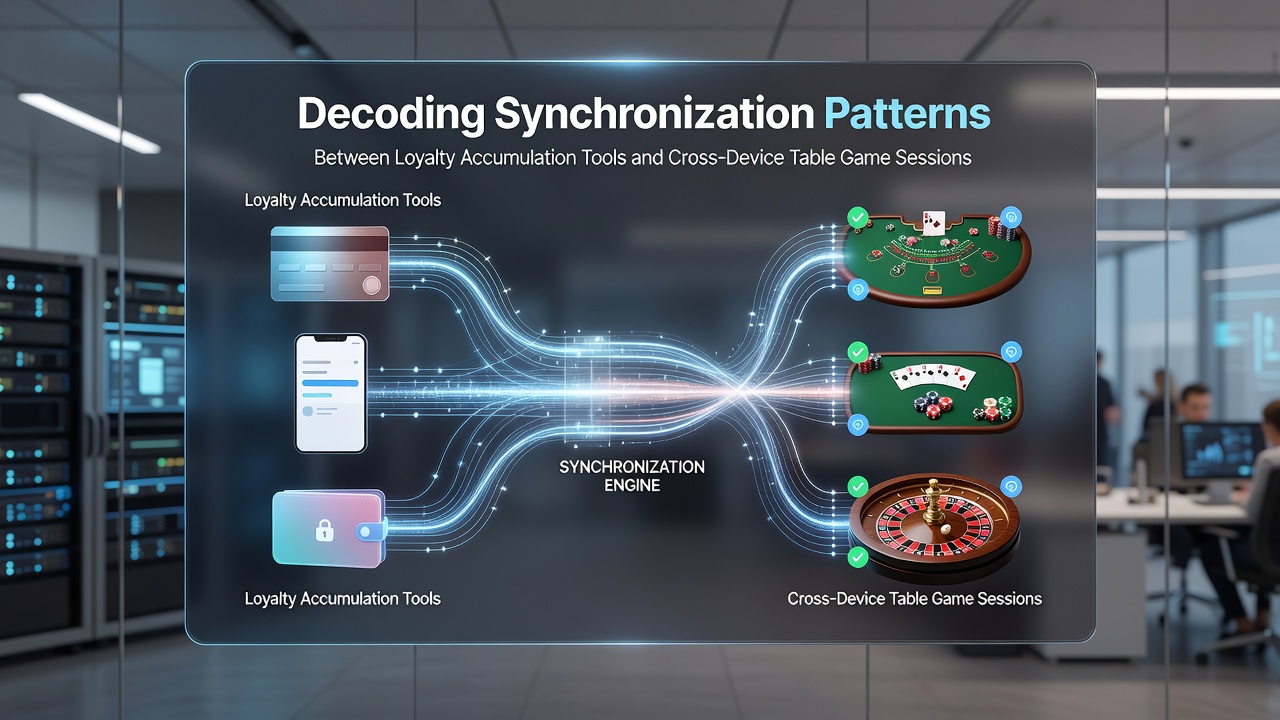
Patterns appear most clearly in timestamp alignment, where point credits post within three seconds of bet settlement regardless of device switch, and in balance consistency checks that flag discrepancies above a set threshold. Experts have observed that table game sessions involving roulette or blackjack generate denser data points than slots because each decision carries its own timestamp, creating richer synchronization logs. Researchers discovered that when loyalty tools pull from a single source of truth, cross-device continuity improves, yet fragmentation rises when one jurisdiction mandates delayed reporting while another demands immediate updates.
Turns out the rubber meets the road during peak hours when thousands of concurrent sessions compete for database writes, and operators counter this with queueing systems that prioritize loyalty updates over ancillary features. Figures reveal that August 2026 saw a 9 percent increase in sessions that crossed from mobile to desktop without point loss, attributed to improved token persistence protocols rolled out earlier in the year.
Integration Challenges Across Licensed Markets
Operators face hurdles when local rules require different encryption standards or data residency requirements, forcing loyalty engines to maintain parallel storage locations that sync on scheduled intervals. Those who've studied these systems know that real-time synchronization works best when all participating jurisdictions share compatible audit formats, otherwise manual reviews extend processing times. Industry reports from the Malta Gaming Authority note that table game operators handling multi-jurisdiction traffic invested heavily in standardized APIs during 2025, which cut average reconciliation time from 14 minutes to under two minutes per session cluster.
Conclusion
Synchronization patterns between loyalty tools and cross-device table game sessions continue to evolve as more markets license online table offerings, and operators refine their technical stacks to meet both player expectations and regulatory demands. Data collected through August 2026 demonstrates measurable gains in continuity when unified ledgers replace fragmented ones, while persistent differences in jurisdictional rules keep driving further middleware development. Continued monitoring of these patterns will determine how effectively loyalty systems scale across expanding licensed regions.