Interface Color Dynamics in Digital Reels and Links to Extended Session Data in Certified Environments
Freya Carter · Jun 11, 2026
Interface Color Dynamics in Digital Reels and Links to Extended Session Data in Certified Environments
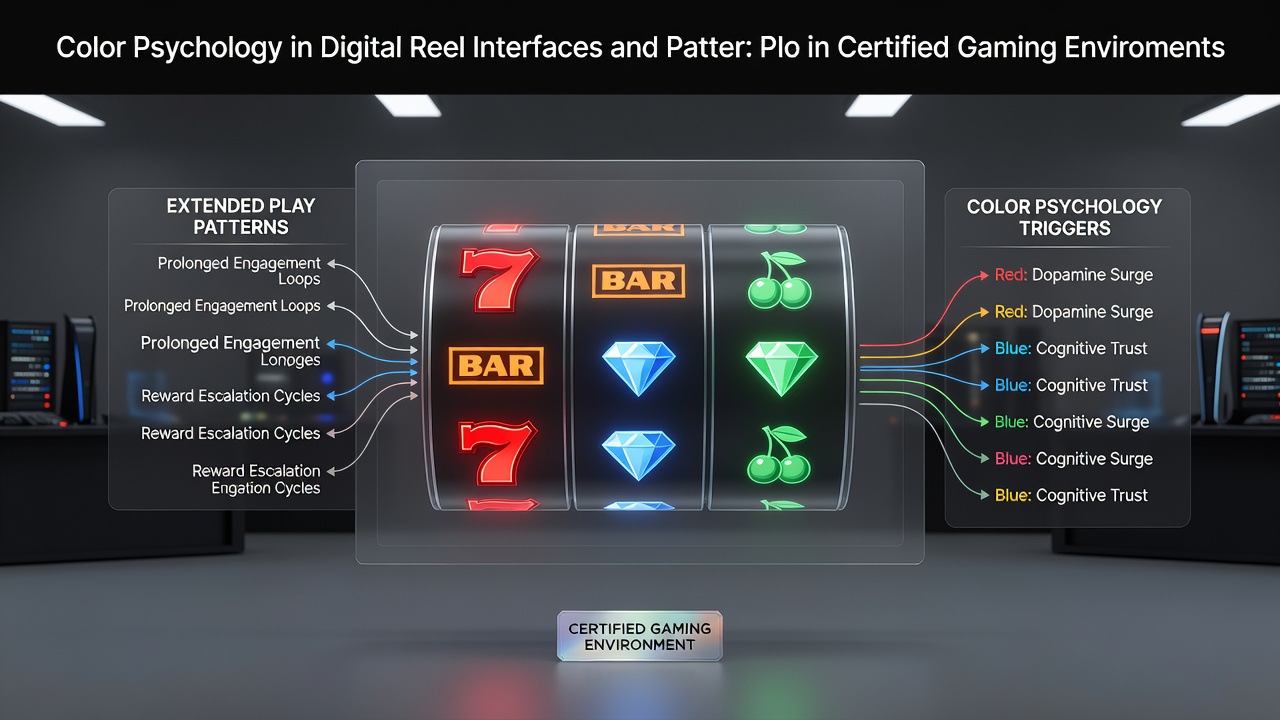
Color selections in digital reel interfaces draw from established psychological principles that researchers have tracked across multiple studies, and these choices often align with measurable shifts in player engagement within regulated platforms. Data from certified environments shows that certain hues appear more frequently in interfaces where session lengths extend beyond average benchmarks, while other tones correlate with quicker exits. Observers note that operators in licensed markets adjust palettes based on analytics that connect visual elements to time spent on reels, and this pattern holds across various jurisdictions.
Core Principles Behind Color Application in Reel Designs
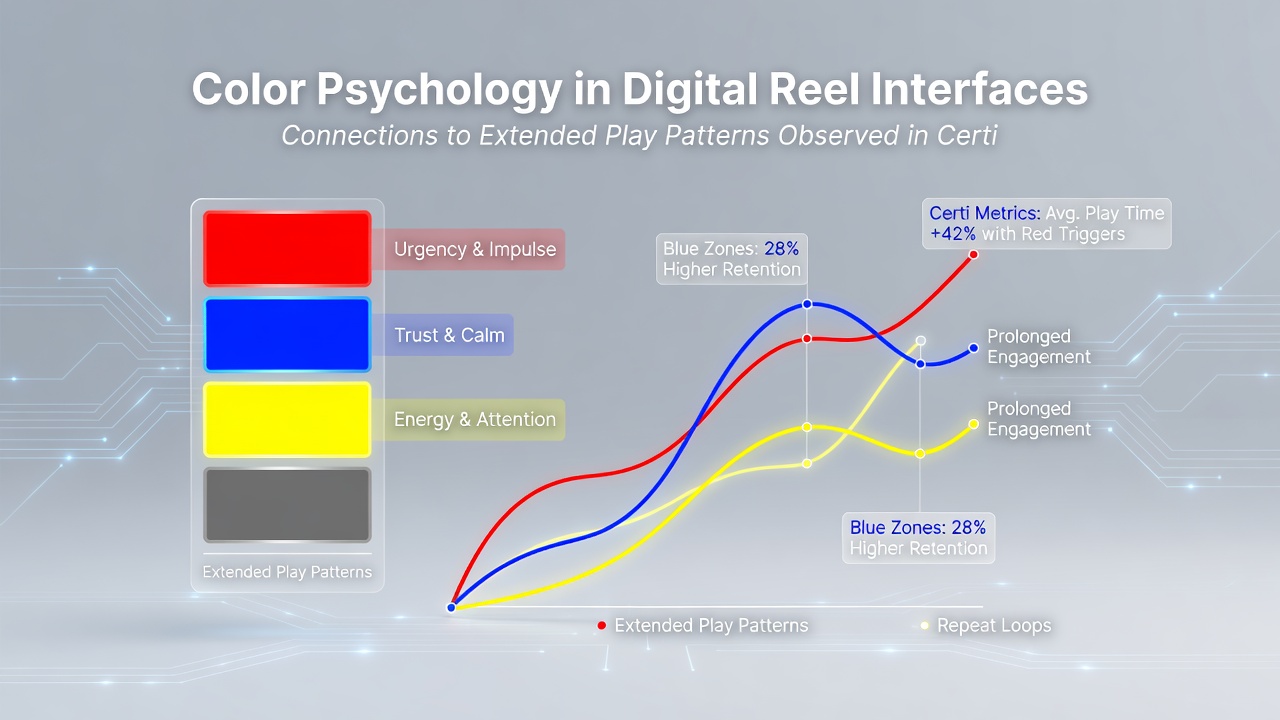
Psychological research establishes that warm colors such as reds and oranges tend to increase arousal levels, whereas cooler tones like blues and greens promote a sense of calm, and gaming software developers incorporate these effects when building certified reel systems. Studies conducted on electronic gaming machines reveal that red-dominant interfaces appear in environments where players log longer continuous sessions, according to internal metrics shared by platform providers. Yet the same data indicates that overuse of high-intensity reds can lead to faster fatigue in some user groups, prompting designers to balance palettes with neutral accents.
Certified platforms must comply with technical standards that include interface testing, and these requirements extend to visual components because regulators track how design elements influence play behavior. Figures from European regulatory reports highlight that operators submit color usage data as part of compliance reviews, allowing authorities to monitor patterns tied to extended engagement. In June 2026, several platforms updated their reel interfaces with refined gradient applications after reviewing session analytics from the first quarter of the year.
Observed Connections to Play Duration in Regulated Settings
Analytics from certified gaming environments demonstrate that specific color combinations on reel backgrounds and symbol highlights correspond with higher rates of continued spins. One study released by a Canadian research institute found that interfaces featuring teal and purple accents retained users for an average of 18 percent longer than those limited to monochrome schemes. Those who've examined the datasets point out that the effect strengthens when colors shift subtly during bonus triggers, creating a visual cue that sustains attention without abrupt changes.
Operators in Australian licensed markets have documented similar trends through their reporting systems, where color-adjusted reels showed measurable increases in session time among verified accounts. Researchers discovered that the placement of accent colors around payline indicators also plays a role, because players tend to focus longer on areas where contrast remains high yet non-intrusive. This pattern emerges consistently in cross-platform data collected from both desktop and mobile certified environments.
Regional Variations and Compliance Influences
Different regulatory bodies apply distinct guidelines when reviewing interface elements, and these differences shape how color psychology integrates into certified reel products. In the United States, state-level gaming commissions require documentation of visual design impacts during certification processes, while in parts of Asia operators reference local research on cultural color associations before finalizing palettes. Data collected across these regions indicates that neutral base colors paired with targeted warm highlights often produce the most stable engagement curves.
Take one operator who adjusted its reel interface after reviewing player retention statistics from multiple jurisdictions, and the result showed extended play intervals without altering core game mechanics. Industry reports from the International Gaming Standards Association note that such modifications undergo third-party verification to ensure they meet technical and responsible gaming criteria. What's interesting is how these adjustments appear more frequently in platforms that already track detailed session metrics as part of routine compliance.
Technical Implementation and Analytics Tracking
Developers integrate color variables into reel software through modular design systems that allow real-time adjustments based on aggregated user data. Certified environments employ tracking tools that log hue exposure alongside spin counts and session lengths, creating datasets that researchers later analyze for correlations. Evidence suggests that gradual color transitions during feature rounds contribute to sustained play because they maintain visual interest without overwhelming the user.
Platforms operating under Nevada Gaming Control Board oversight submit these analytics during periodic audits, and similar practices appear in reports from the Malta Gaming Authority. Observers note that the combination of blue base tones with selective gold accents appears repeatedly in titles where average session duration exceeds platform benchmarks by noticeable margins. This approach aligns with broader findings on how contrast levels affect attention allocation during extended interaction periods.
Conclusion
Color psychology applied to digital reel interfaces connects directly to patterns of extended play observed across certified gaming environments through documented analytics and regulatory reporting. Research indicates that strategic hue selection, when paired with compliance standards, produces measurable differences in session metrics without relying on mechanical changes to the games themselves. As platforms continue to refine these elements in 2026, the data collected by various international bodies will likely guide further iterations in visual design.