18 May 2026
The Hidden Mental Influences Behind Roulette Betting Decisions in Regular Players
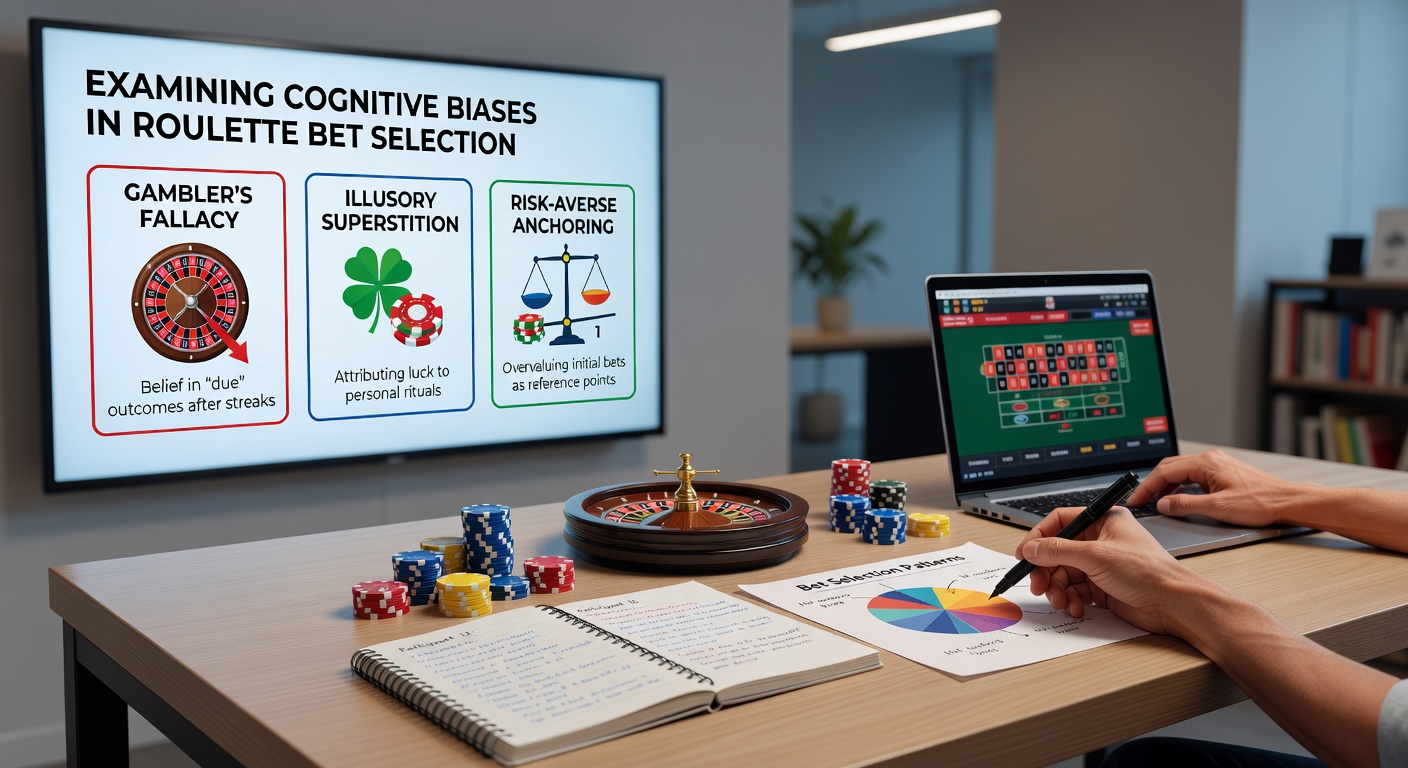
Regular participants in roulette often select bets based on mental patterns that develop over repeated sessions, and researchers have documented several cognitive biases that shape these choices across casinos in multiple regions. These patterns emerge when players process streaks, probabilities, and past outcomes in ways that deviate from statistical expectations, while data from studies conducted through 2026 continues to track how such tendencies persist in both physical and digital environments.
Common Biases Observed in Roulette Play
The gambler's fallacy appears frequently among frequent players who assume that a long run of red outcomes increases the likelihood of black on the next spin, even though each result remains independent on a fair wheel, and observers note this tendency in tracking data collected from tables in Las Vegas and Atlantic City properties. Confirmation bias follows closely when participants focus only on spins that support their chosen strategy while overlooking contradictory results, which leads them to maintain betting systems despite accumulating losses over extended periods. Illusion of control also surfaces regularly as players develop rituals like selecting specific numbers or timing their bets in particular ways, believing these actions grant influence over random outcomes although evidence shows otherwise.
Studies released in May 2026 from academic teams in Canada highlighted how these biases interact during live sessions, with participants demonstrating stronger adherence to previous outcomes after moderate winning streaks compared to losing ones. Researchers tracked selections across hundreds of spins and found consistent over-selection of numbers that had appeared recently, a pattern that aligns with availability heuristics where easily recalled events receive undue weight in decision making.
Data Patterns from Recent Analyses
Figures compiled by the Australian Gambling Research Centre reveal that regular roulette participants in licensed venues allocate bets to recently landed numbers at rates significantly higher than chance would predict, and this holds across both traditional wheels and electronic variants used in major properties. European regulatory reports from the same period indicate similar distributions in player logs, suggesting the bias operates independently of specific cultural or regulatory settings. Those who've examined large datasets note that the effect strengthens during longer sessions when fatigue reduces analytical processing and increases reliance on quick mental shortcuts.

Take one longitudinal project conducted at a major university that followed twenty regular participants over six months and recorded every bet placed, and the results showed repeated clustering around hot numbers even when payout rates remained constant. Another analysis from North American gaming research groups found that players who experienced early wins in an evening tended to expand their bet selections in ways that reflected perceived momentum rather than adjusted probability calculations. These observations match patterns reported in industry summaries where tracking software captures consistent deviations from random distribution in wager placements.
How Venue Environments Interact with Biases
Casino layouts and digital interfaces can amplify existing biases because visual displays of recent outcomes draw attention to streaks, and operators in various jurisdictions have adjusted information presentation without altering core game mechanics. Observers note that electronic roulette terminals often highlight hot and cold numbers in real time, which provides readily available data that players incorporate into selections even when the underlying randomness stays unchanged. Regulatory bodies in several Australian states have examined these displays as part of broader reviews into player information tools, finding that simplified history panels correlate with increased clustering of bets on recent results.
Participants who return to the same tables or platforms over multiple visits sometimes develop personalized tracking methods that reinforce selective memory, focusing on favorable sequences while downplaying longer neutral periods. Research indicates this selective recall contributes to sustained engagement with specific bet types despite flat overall returns across large sample sizes.
Conclusion
Regular roulette participants exhibit measurable cognitive biases that guide bet selections in predictable directions according to multiple independent studies, and these patterns appear consistently across different regulatory environments and game formats. Ongoing data collection through mid-2026 continues to document how mental shortcuts influence choices without changing the fundamental probabilities of each spin, providing clearer insight into decision processes in this segment of casino activity.