2 Jul 2026
Understanding Push Notification Patterns and Their Influence on Player Engagement Durations in Regulated Mobile Poker Applications
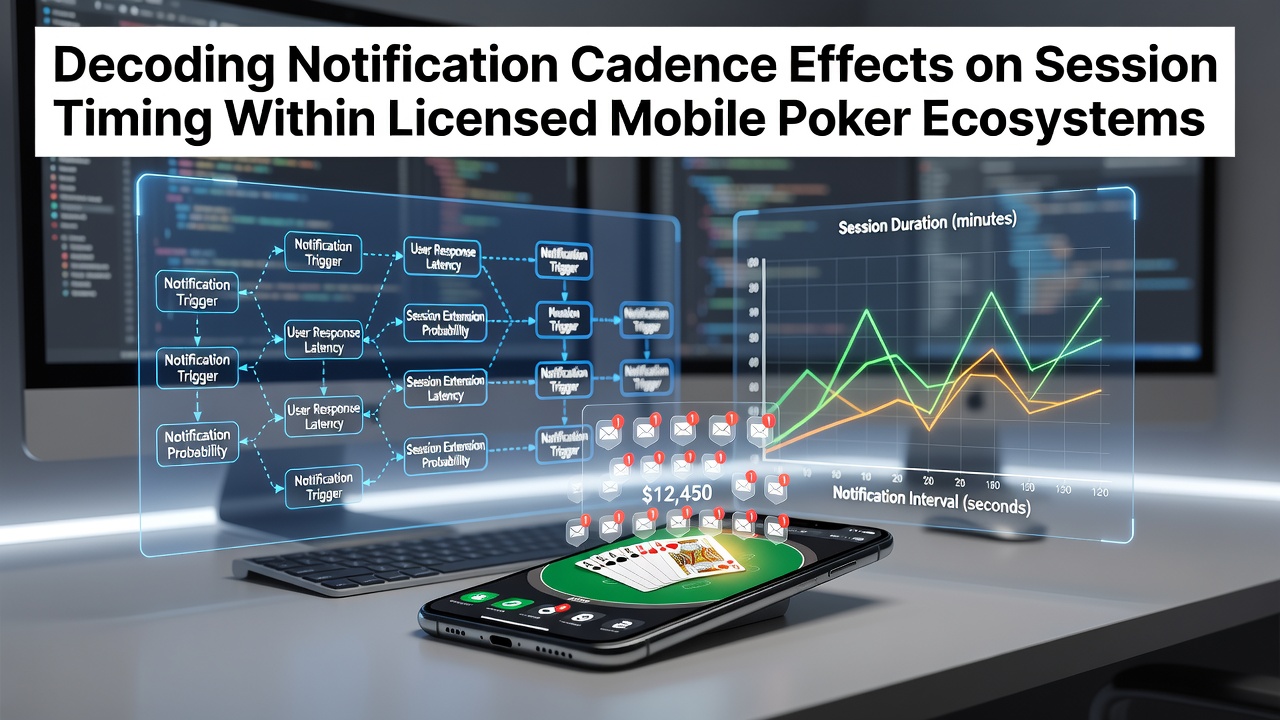
Notification cadences in licensed mobile poker platforms refer to the frequency and timing of push alerts that operators send to users about table openings, tournament starts, or bonus opportunities, and researchers have examined how these patterns intersect with session lengths across various regulatory jurisdictions. Data from multiple regions shows that operators adjust alert intervals based on player behavior metrics collected through platform analytics, while regulatory bodies track these elements to ensure compliance with responsible gaming standards.
Core Mechanics of Notification Systems in Licensed Environments
Licensed mobile poker ecosystems operate under frameworks established by state and provincial authorities, where push notifications function as engagement tools that operators calibrate to maintain activity levels without triggering excessive play indicators. Studies conducted by institutions such as the University of Nevada, Las Vegas Center for Gaming Research indicate that intervals between notifications typically range from fifteen minutes to several hours, depending on the time of day and historical user data patterns. These systems integrate with session timing software that logs entry and exit points, allowing operators to correlate alert deliveries with prolonged or abbreviated play periods.
Operators in markets like Pennsylvania and New Jersey deploy algorithms that segment users by activity history, sending more frequent notifications to those who have previously engaged during specific windows, whereas less active accounts receive spaced-out messages. Figures released by the Pennsylvania Gaming Control Board in early 2026 documented average session extensions of eight to twelve percent following targeted notification campaigns during peak evening hours. Such adjustments occur within strict parameters set by licensing agreements that require transparency in marketing communications.
Observed Correlations Between Cadence and Session Timing
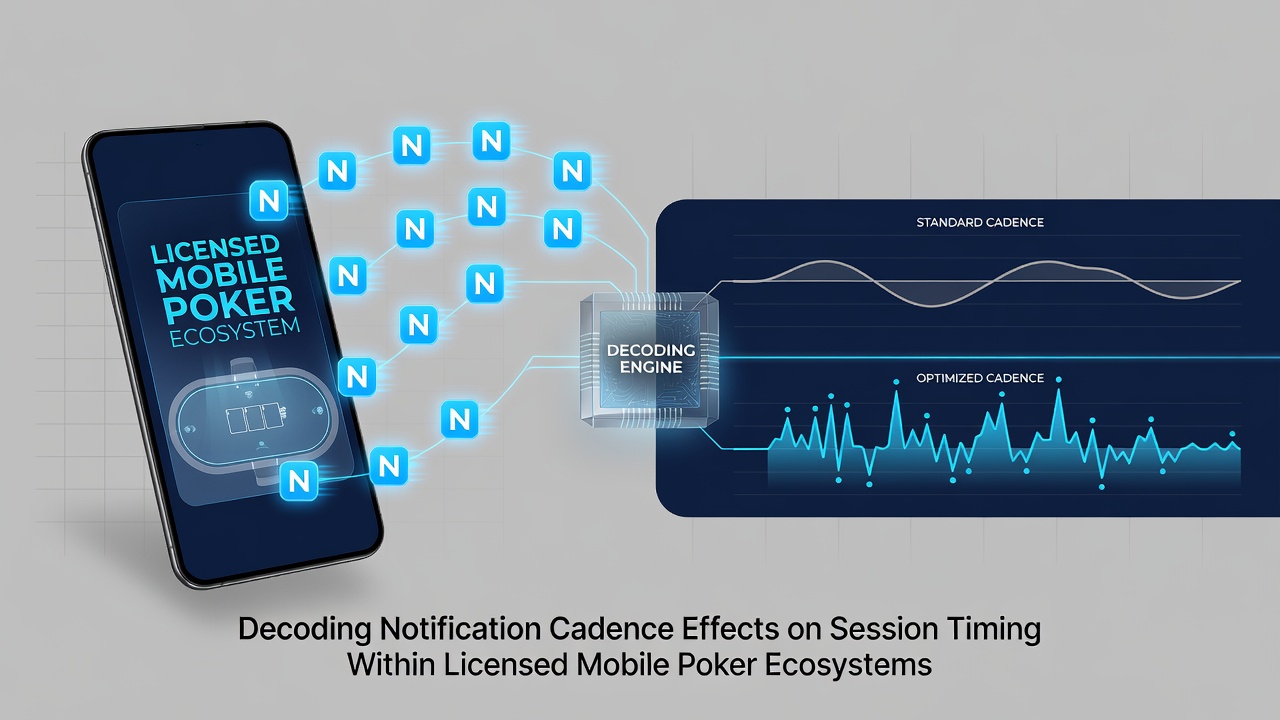
Analysis of session data across certified platforms reveals that notification cadences spaced at thirty to forty-five minute intervals often coincide with extended play durations, particularly when messages reference ongoing tables or limited-time events. Researchers tracking these metrics note that shorter intervals under twenty minutes tend to produce fragmented sessions, as users log in briefly to check updates before exiting. In contrast, cadences exceeding ninety minutes show weaker associations with sustained engagement, according to aggregated reports from North American operators.
One examination of European digital poker environments found similar trends where notification timing aligned with local peak hours produced measurable increases in average session length, while off-peak deliveries yielded minimal shifts. Platforms licensed in Australia under the oversight of state gaming authorities have implemented similar tracking protocols, revealing that users receiving notifications during commute periods maintain shorter sessions compared to those alerted during evening leisure blocks. These patterns emerge from backend systems that log timestamped interactions, providing operators with datasets for refining delivery schedules.
Regulatory Oversight and Data Collection Practices
Regulatory bodies across different jurisdictions require licensed operators to maintain detailed records of notification campaigns and their effects on player behavior, ensuring alignment with harm minimization guidelines. The Malta Gaming Authority, for instance, mandates periodic submissions of engagement metrics that include notification frequency alongside session duration statistics. In July 2026, several platforms reported compliance updates incorporating refined cadence controls following reviews of player activity logs from the first half of the year.
Industry associations such as the European Gaming and Betting Association have compiled comparative analyses showing that operators in multiple regions apply machine learning models to predict optimal notification windows, thereby influencing how long users remain active within poker applications. These models draw from anonymized datasets that exclude personally identifiable information, focusing instead on aggregate timing variables. Observers note that such practices help operators balance commercial objectives with regulatory expectations around session management.
Integration with Platform Features and User Segmentation
Mobile poker applications incorporate notification cadences alongside other interface elements like in-app timers and responsible gaming prompts, creating layered systems that operators monitor for cumulative effects on play duration. Segmentation strategies divide users into cohorts based on prior session lengths, with high-frequency players receiving fewer alerts to avoid saturation while new users encounter introductory cadences designed to encourage initial exploration. Data from Canadian provincial regulators illustrates that these segmented approaches correlate with stabilized session averages across different player types.
Platforms also adjust cadences in response to external factors such as tournament schedules or software updates, where sudden increases in alert volume during major events produce temporary spikes in session timing. Analysts reviewing these shifts emphasize the role of real-time feedback loops that allow operators to pause or extend notification sequences based on live engagement signals. This dynamic calibration occurs within environments where licensing agreements specify limits on total daily alerts per user account.
Conclusion
Notification cadence effects on session timing within licensed mobile poker ecosystems continue to evolve as operators refine their approaches using data from regulatory submissions and academic collaborations. Patterns documented across North American, European, and Australian markets demonstrate consistent relationships between alert frequency and engagement duration, supported by oversight from bodies including the Pennsylvania Gaming Control Board and the Malta Gaming Authority. These systems remain subject to ongoing review as platforms incorporate new analytical tools to align with established compliance standards.